Independent storyteller & multidisciplinary media artist.
Short fiction author. Zine-maker. Game writer. Comic writer. Screenwriter. Video artist. Digital and prop artist.
Also creating experimental digital theatre.
My distinctive territory is potentially:
what old computing/game culture teaches contemporary independent creators?
That’s different.
It connects:
C64
GameMaker
Another World
software art
lost software
my reconstructed Acorn project
M+S (my first major video game project)
research into digital worlds.
That’s potentially a much more interesting editorial identity.
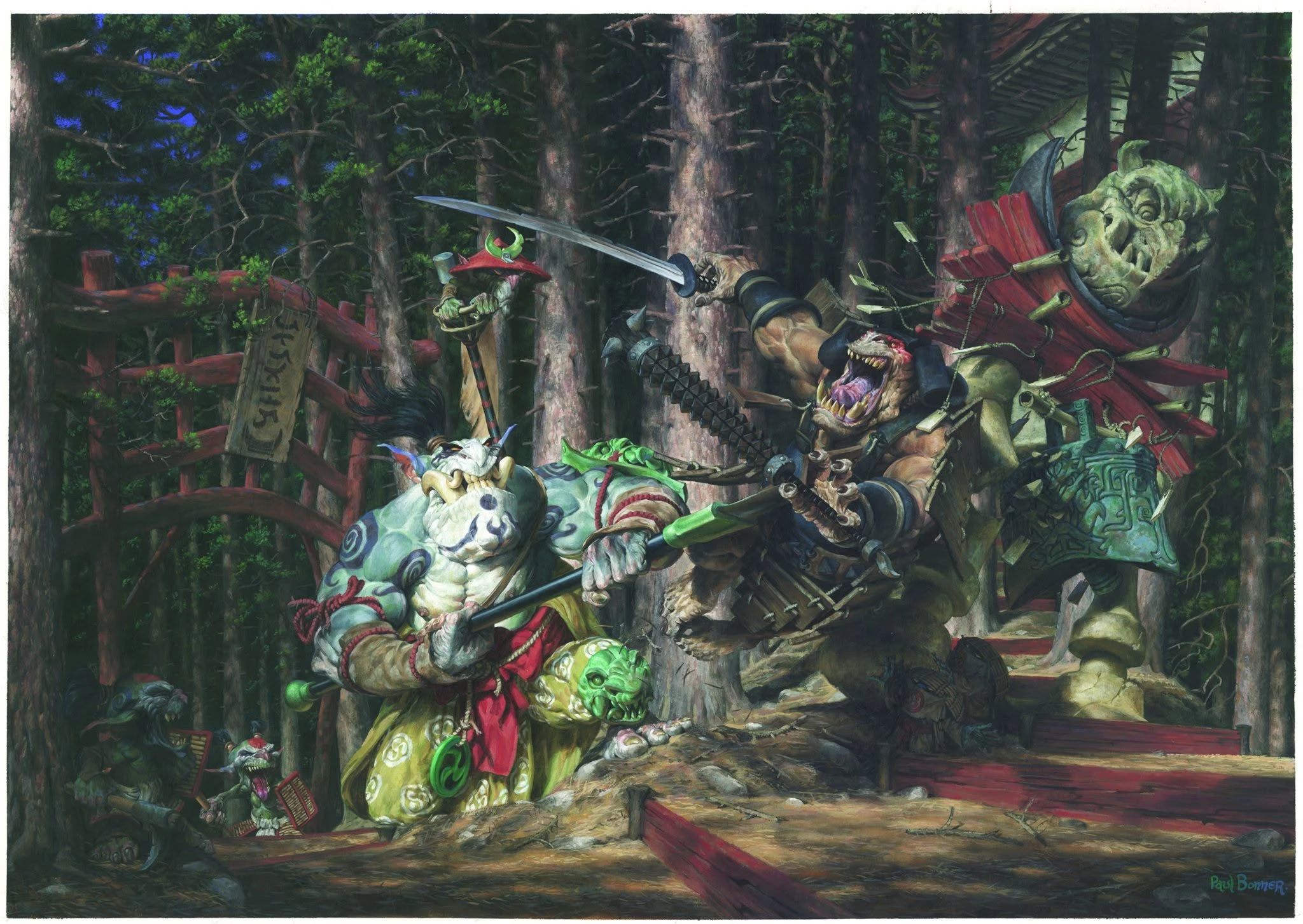
1. Paul Bonner — Incarnation: the Book of Aarklash
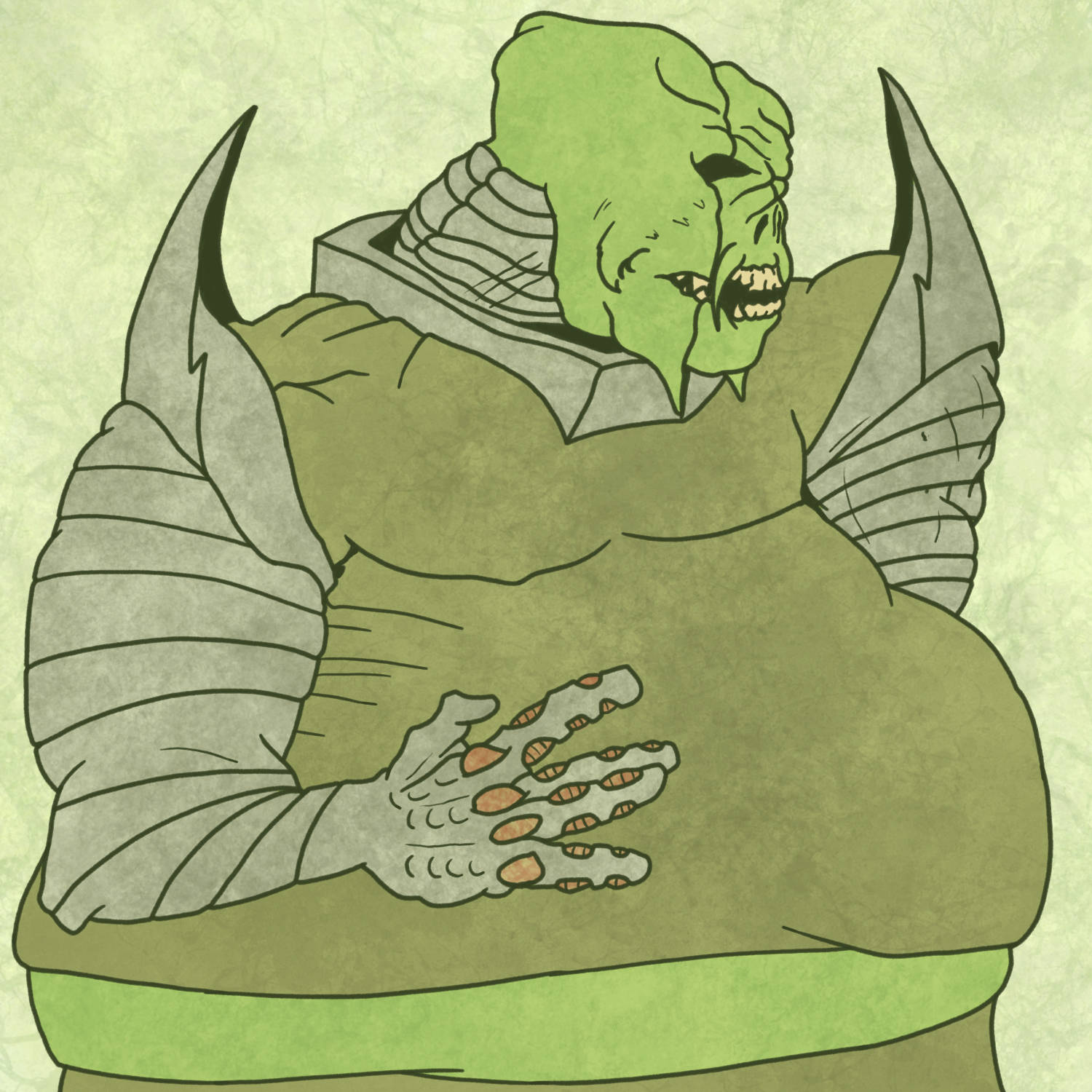
For me, what Paul Bonner can do with a world dates back to the early ‘90s. Coming from Games Workshop’s Warhammer Fantasy and 40k and getting into the more European style of Mutant Chronicles. He takes these almost spiritual natural environments, and casts dramatically potent creatures with ferocious and powerful designs. It’s the worlds that these games use as their system. Without that strong system – the characters, relationships, philosophies, dynamics, powers, action, lore, sets and settings, the games would be bland.
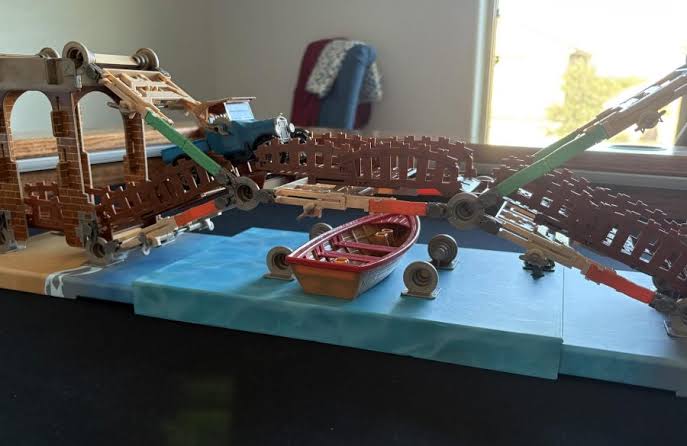
2. Paul Boswell — Bridge or Bust
playful process. I’m attracted to Boswell’s process as much as his finished toys. He approaches complicated subjects through experimentation and play, but there’s also a comprehensiveness to the way he develops an idea. That combination seems to be why the toys are so interesting and often so effective: the playfulness isn’t decoration added at the end; it’s embedded in the process that creates the design.
3. Park Chan-wook / Ryu Seong-hie — No Other Choice
calculated visual play. His visual storytelling is incredibly potent, but underneath its precision there’s a childlike excitement and playfulness. He has an eye that celebrates beauty in darkness and finds beauty in unlikely places, while being completely at home with mythic drama. Nothing feels accidental: choreography, image, setting and composition are all calculated, with every visual decision affecting the turns of the story. It’s almost as though every frame is painted—every brush stroke deliberate—but that control never extinguishes his excitement about what cinema can do.
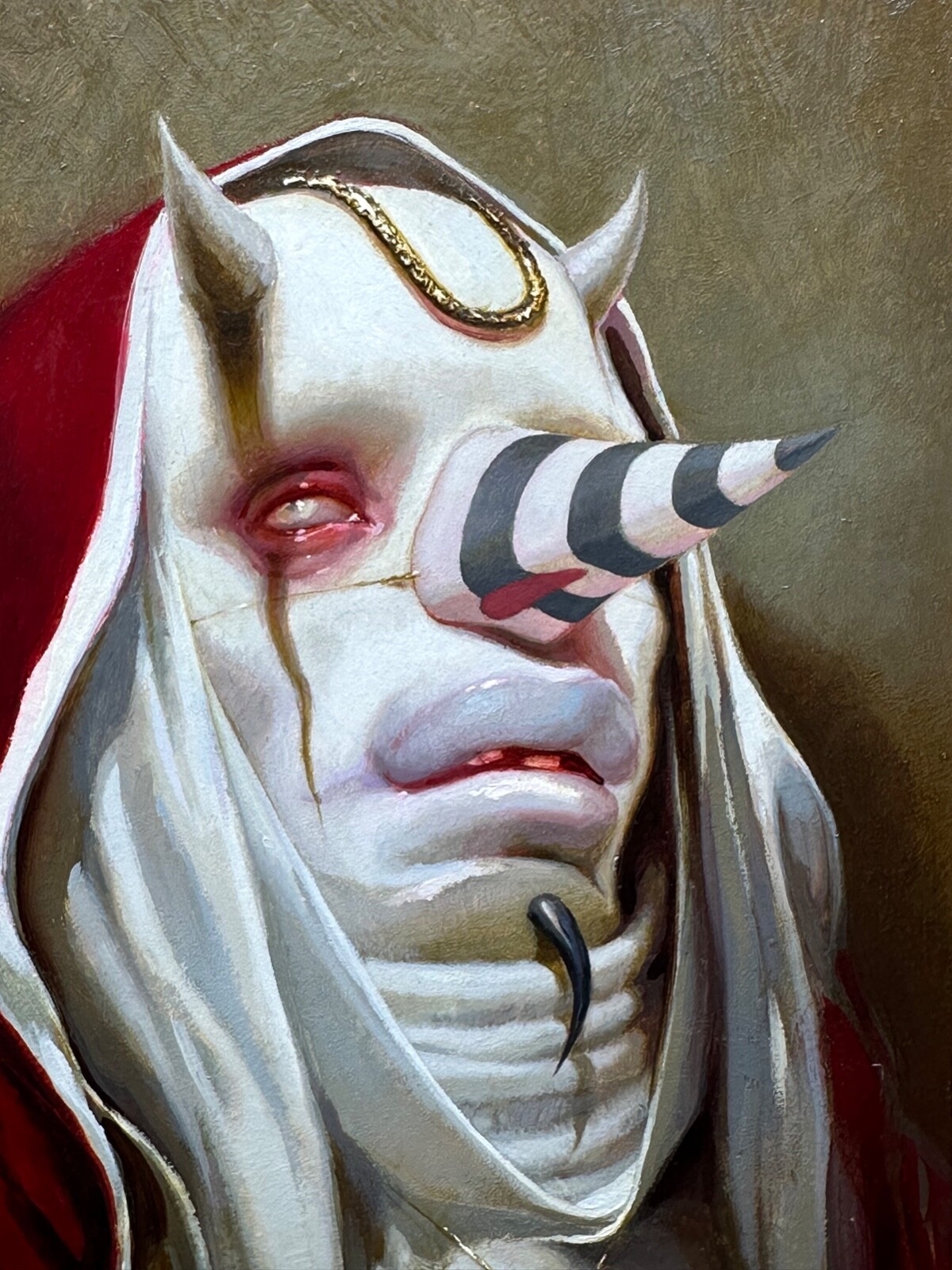
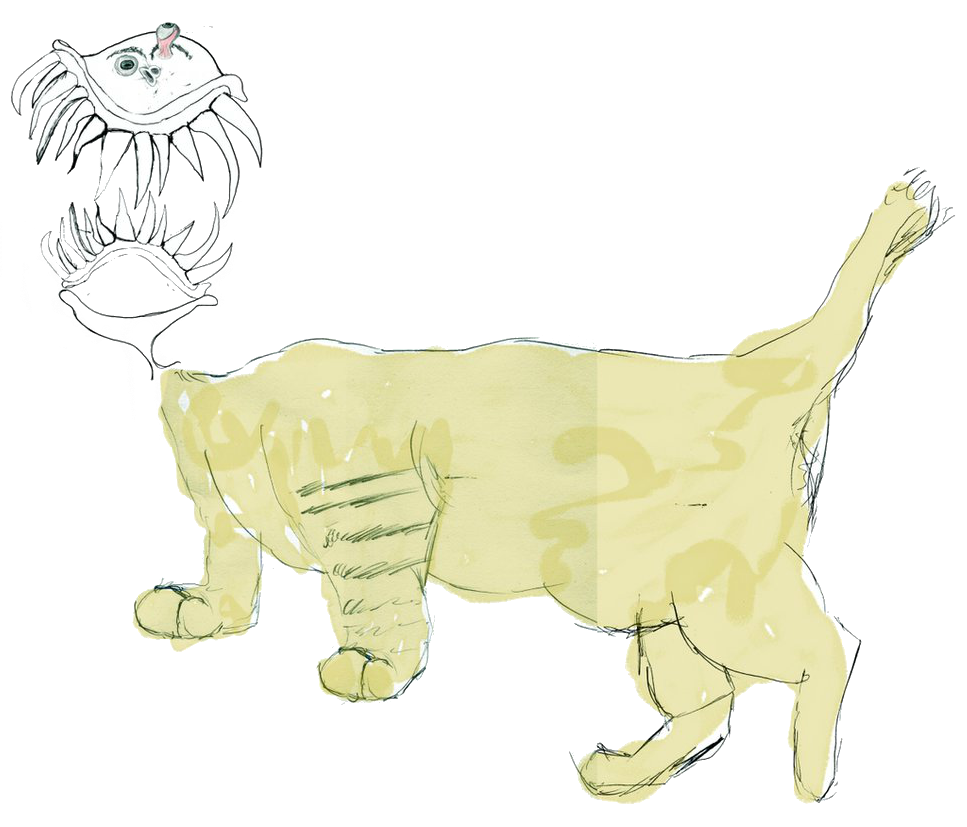
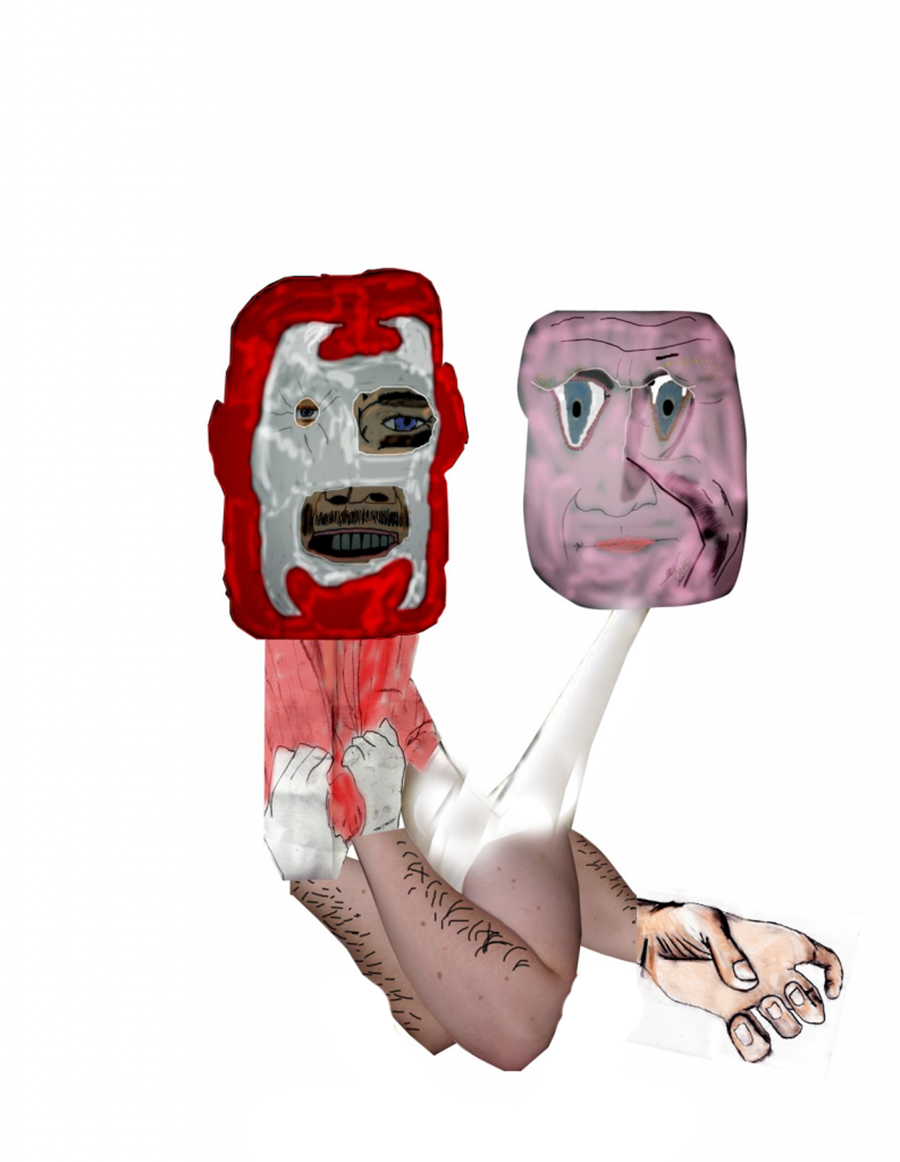
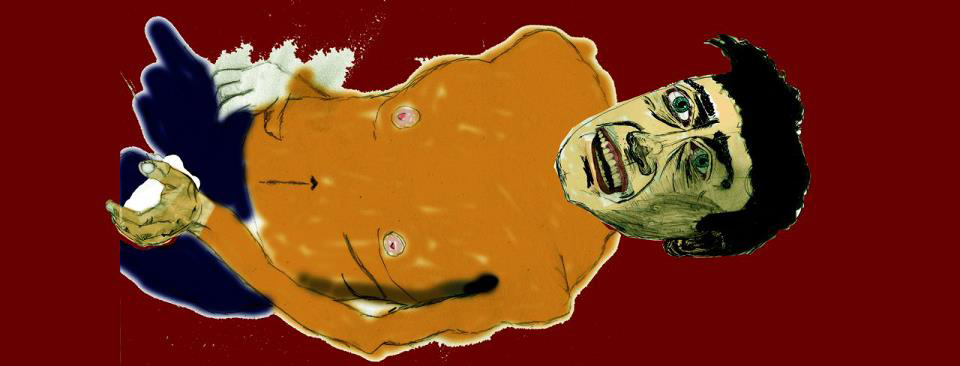
Jokiargu – reinventing the grotesque. What attracts me to Jokiargu is the ability to tell the story of an image through fresh versions of the grotesque. The work doesn’t rely on the usual colour palettes, subjects or visual shorthand of horror. A hairless rat-man rendered in pink can feel stranger and more grotesque than another red-and-black zombie or gothic figure. That unexpectedness makes me think about how colour, character and subject can disturb precisely because they refuse the obvious choice.
Michael Hussar – pushing the painterly grotesque. Hussar sits at the top of potent grotesque painting for me. There’s something of concept art in the imagination and character of his images, but it’s executed with the discipline and technique of fine art. His grotesque is more traditional than Jokiargu’s, but he keeps pushing the genre and the medium until they seem to bend around the painting. The technique isn’t separate from the disturbing subject—the beauty and control of the painting make the grotesque more powerful.
Robby Zinchak – created 8bitmmo uses software art as an opportunity to express meaning through systems.
Wizirdi – created a sandbox that anyone can build and play inside. Software art, pushing the tools with deviously simple premises.
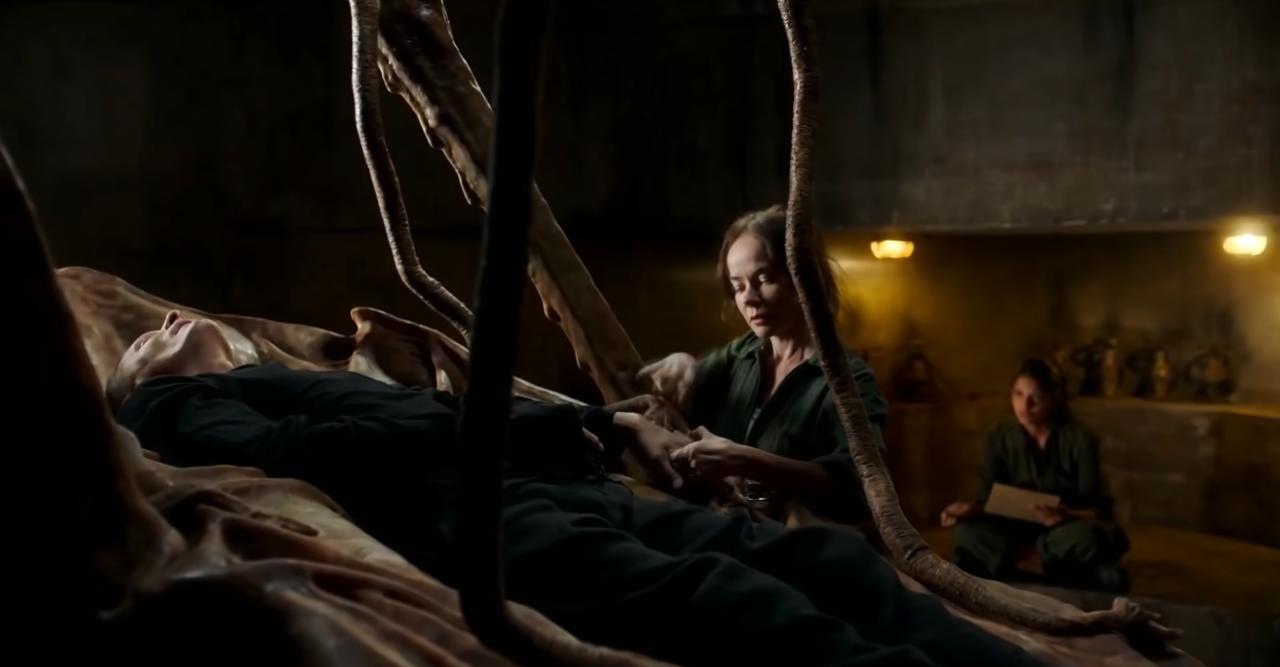
David Cronenberg — fearless evolution. I knew his films before I really knew who he was. In 1999 I read about Cronenberg and saw eXistenZ, which I immediately fell in love with, and I’ve effectively grown up with his work over the 27 years since. I’ve watched him continually push both the film medium and his own established styles, exploring seemingly every possible outcome rather than becoming trapped by the things he does well. There appear to be no taboos he won’t play with, yet he’s a deadly serious filmmaker. The provocation is never an excuse not to think.
Albert Pyun — making a low-budget world palpable. Cyborg is the clearest example for me. Pyun creates settings in B-genre filmmaking that should, on paper, collapse into something laughably cheap, yet somehow you fall completely into the world. The environments feel tangible enough that you can almost taste them. The limited budget becomes part of the texture rather than something the film is constantly apologising for. Even the violence feels deliberate and surprisingly understated rather than simply compensating through excess.
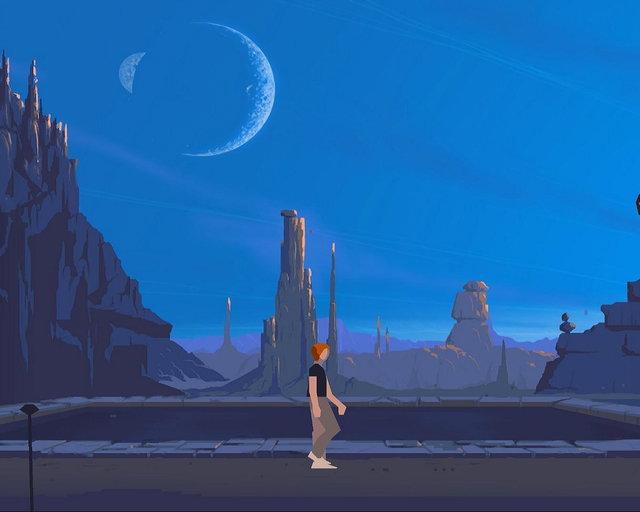
Eric Chahi — authored worlds without hand-holding. Chahi creates authored worlds as a master storyteller of environments, but he’s also a natural craftsman. From Another World through to Paper Beast, you can feel your way through his narratives. They are true games, but also true adventures: the environment, movement, danger and discovery do the storytelling rather than an interface constantly explaining what you’re supposed to understand. There is no hand-holding. Chahi is almost the counterargument to the idea that accessibility requires continually directing the player’s attention.
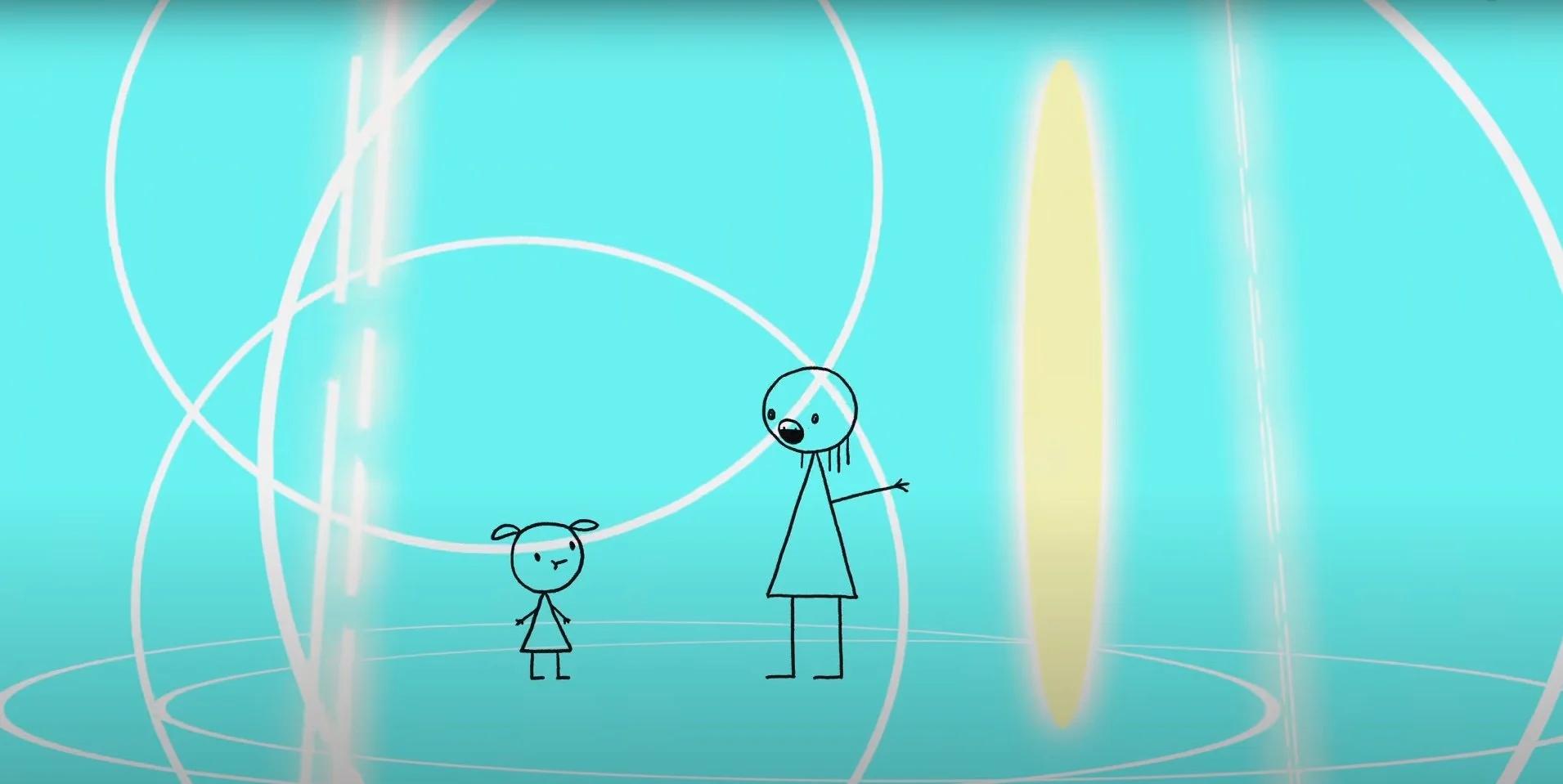
Don Hertzfeldt Hertzfeldt makes some of the world’s most beautiful cartoons with extraordinarily economical means. He reminds me that visual ambition isn’t dependent on visual expense: simplicity can carry enormous scale, emotion and imagination.
F. Paul Wilson – He takes me off-road into medical and biological subject matter I wouldn’t naturally explore, while retaining the morbidity, physicality and conceptual twists that attract me to horror.
Stephen Laws starts with remarkably simple premises, then builds tension, personality and tone around them until the concept develops its own environment. Even when the starting point is ordinary, the resulting world feels unique, and the amount of horror capital he can extract from a simple idea is extraordinary.
Jhonen Vasquez – what draws me consistently back to his work, besides his erudite, acerbic wit and appropriately sadistic humour. Is his keen, sharp, sketchy drawings that are simple enough to drive the plot home, and bloody enough in monochrome to feed its reader’s appetite for gore – and all the background little tiny extra details just inflate the personality in the presentation.
Tony Wong – as much variety he has as a storyteller, all of his grand adventures are essentially the story of a wandering student of martial arts on an endless quest and the battles are his food along the way.
Lars Von Trier – the level of anarchism and outsider, rebellious storyteller is so provocative with this man, this artist, that sometimes even for me, he pushes into fearful terrain. But he’s elegant with the art, and it always is artful, so as reactive as he is, it’s all about the art, the story.
Kyle Thompson – Well Dweller, a beautiful collection of brush strokes and mechanisms. An artful video game product. A design that is both comprehensive and laboriously created.
Jaime Rodriguez – Jaime is a fascinating animator with the skills to surprise and add texture in transformation. It’s all storytelling, every movement and change, but his flow is perfect, he’s so modern. Even though he gives you that feels – like he has a love for the old Animaniacs and Looney Tunes cartoons. Two worlds of reference colliding, and yet his videos are truly unique and original.
Bill Gaines – regard him as a legend.
He didn’t just publish transgressive work. When the establishment tried to shut it down, he helped invent another way for it to exist.
I make character-focused, narrative-driven game art, cartoons, video art, films, prop art, digital systems art, publishing and stories with a strong and unique voice.
Most of my prop-work, choreography art videos, webcomics, and major cartoon character work is on my insta here.
You can also find my cartoon artworks on my artstation profile here.
And my video art via insta, film via Vimeo, video games via itch, prototypes via GitHub and Patreon, comics via indie publisher platforms, zines via draft2digital/gumroad/kdp, books via Amazon KDP + small press, animation via vimeo, short fiction via radio on this site, tabletop games via GitHub/DTRPG, digital theatre downloads via itch, and lore drops + digital theatre + scripts via gumroad – will be linked on the portfolio page as released.
And that’s where my Chahi comparison becomes genuinely useful rather than nostalgic. I’m not trying to make Another World II. I’m asking the same underlying production question 35 years later:
What can one author make when they personally control the writing, image, movement, editing, interaction and world—and deliberately refuse to compete on scale?
What if art = systems + stories + comics + essay books + games + toys + satire + weird cult craft + machinima as a form + TV as DIY internet culture?
Studio Name = “World.exe: many small cool things”
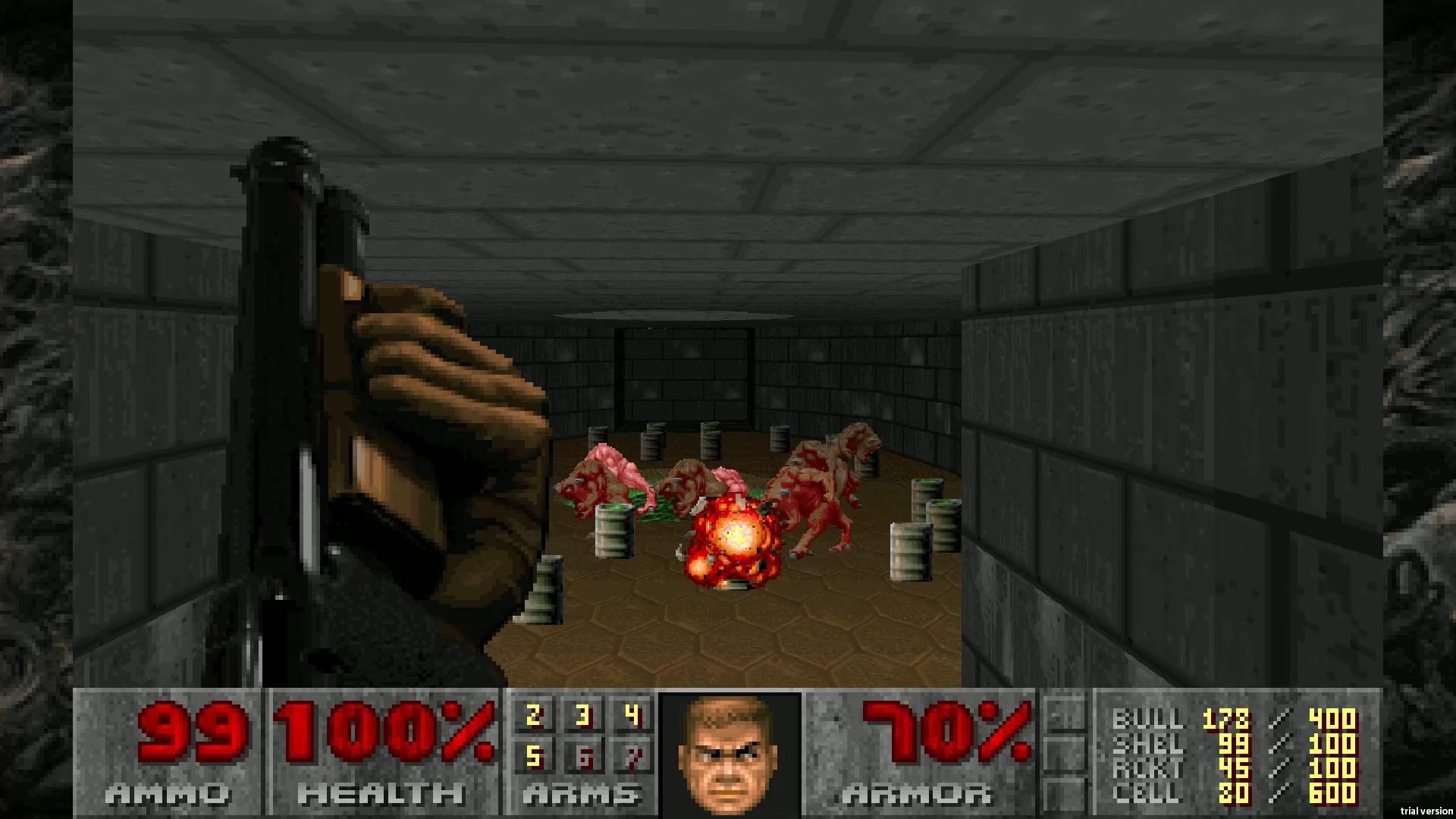
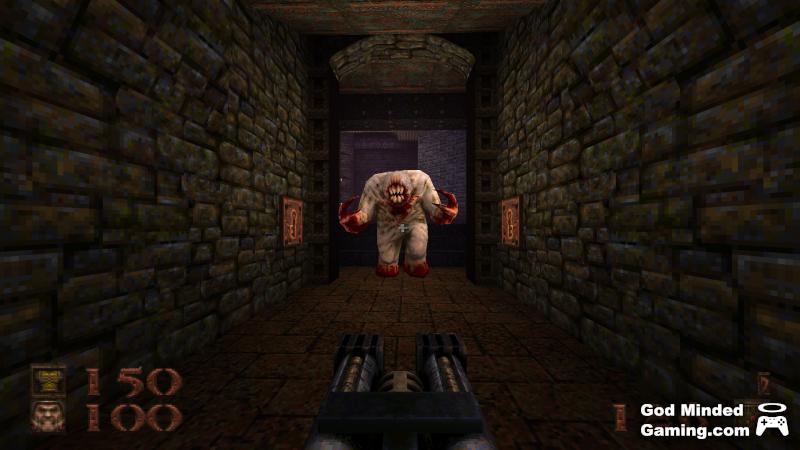
“I’m interested in the history of games, but that doesn’t mean every important evolutionary path in games represents my personal taste. I can appreciate what happened from Doom through Quake, Quake III and Half-Life 2 without particularly wanting to spend hundreds of hours playing those games, or even two whole minutes with The Orange Box. For me, game history is more useful as archaeology than as a canon I’m obliged to love.
I tend to be drawn to the earlier, stranger branches: abstraction, limitations, mechanical directness, peculiar technical solutions and digital spaces that don’t feel any particular obligation to resemble reality. Rampage can give you a city, a monster and permission to smash things. Dig Dug turns underground space into a system you immediately understand. Gain Ground builds tactical problems out of a tiny set of actions and a screenful of enemies. None of them needs to pretend it is a complete simulation of anything. That economy interests me.
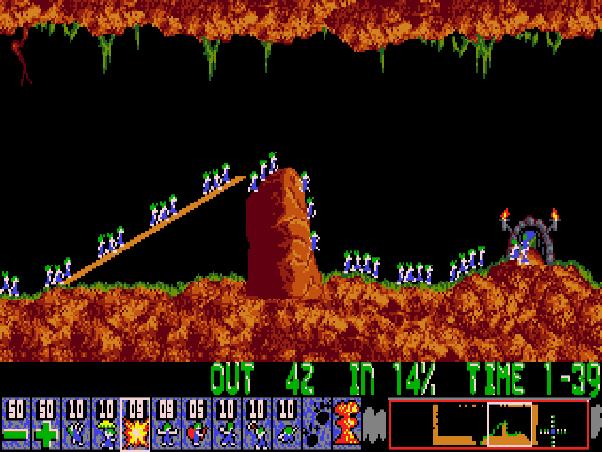
There are games I could happily play for hundreds of hours. Lemmings is one. Its basic vocabulary is remarkably simple, but the situations created from it become increasingly complicated. I like games where I can understand what I’m supposed to be doing while still having enormous difficulty actually doing it.
Marble Madness has a similar attraction. I could keep playing simply because I wanted to finally clock it. The game doesn’t need an elaborate progression system handing me another reward every few minutes. The unfinished challenge is the reward. Ms. Splosion Man scratches some of the same part of my brain in a very different way: take a wonderfully direct movement idea, then keep finding increasingly horrible things to ask the player to do with it.
That distinction matters to me. Difficulty is interesting when it makes me understand a mechanic more deeply, not when it exists to inflate the amount of time I spend with a game. Sometimes the mechanic can be almost ridiculously minimal. Osmos is basically movement, mass and consequence distilled into a system. Yet that limitation creates its own rhythm and way of thinking. Hacker Evolution: Untold abstracts something enormously complicated into a playable language rather than attempting to reproduce every tedious reality of sitting at a computer. I’m interested in that translation: deciding what can be removed until only the useful fiction remains.
Another World is much closer to the kind of cinematic game I respond to. Eric Chahi created something that tells its story through movement, animation, environment, danger and observation rather than constantly explaining itself. Lester is thrown somewhere incomprehensible, and the player learns about that place at roughly the same time he does.
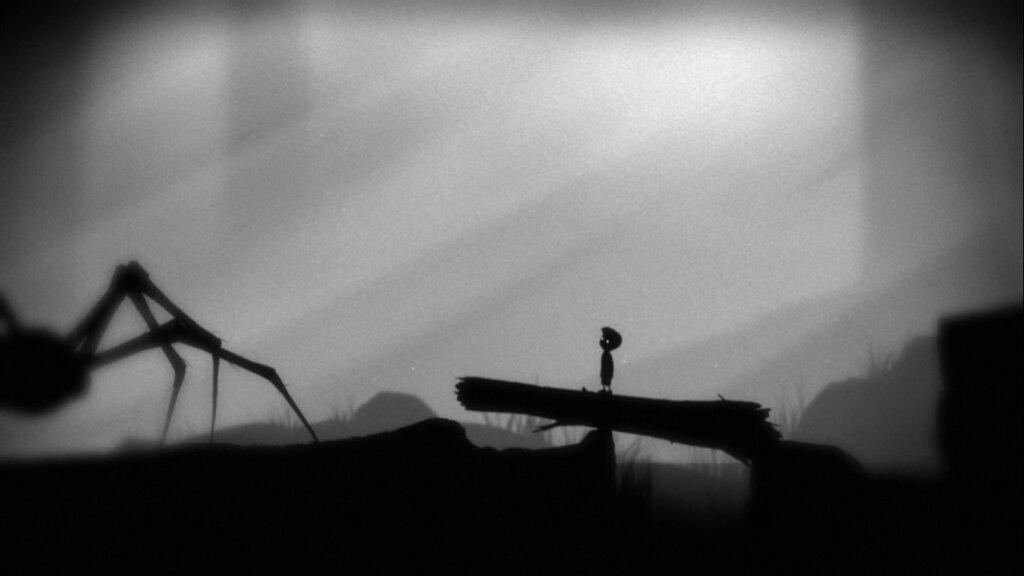
Limbo continues something I love about that approach. The world has an authored identity, but it isn’t overloaded with explanation. Movement and environmental problem-solving are enough to carry the experience. Atmosphere isn’t decoration applied on top of the game; atmosphere emerges from what the player actually has to do.
More recent games such as Bramble: The Mountain King and LOP: Whitefall interest me for similar reasons. I like worlds that allow environment, scale, danger and implication to do some of the storytelling. I don’t need every strange object explained or every piece of history converted into dialogue. Sometimes the gap between what I can see and what I understand is precisely what makes a place interesting.
Rain World pushes that idea somewhere harsher. Its world doesn’t seem constructed solely for my convenience. Things live there, move there and kill me there whether I feel properly introduced to them or not. I like some friction between the player and the world. Discovery means more when the world isn’t constantly turning around to make sure I’m keeping up.
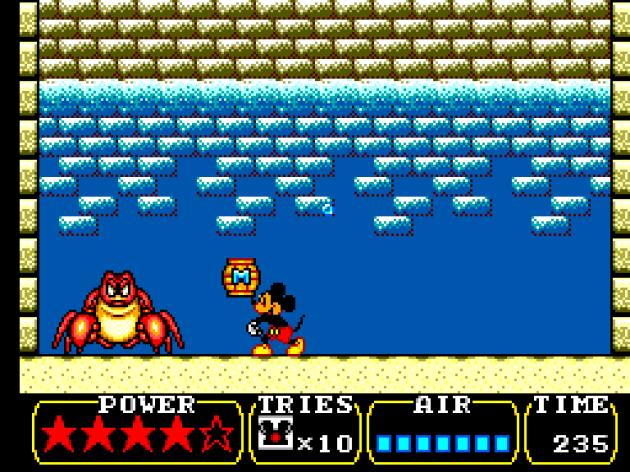
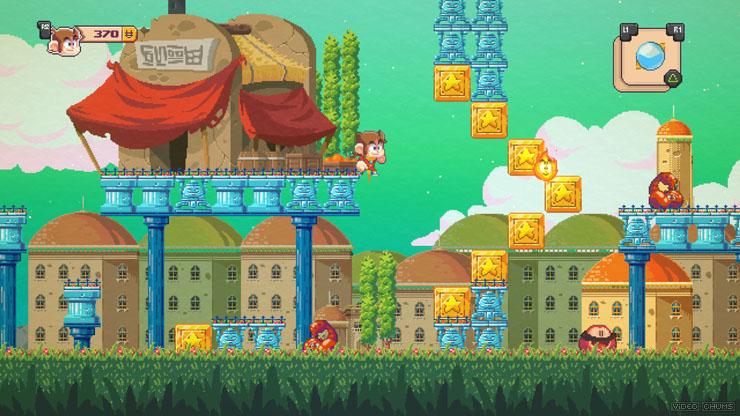
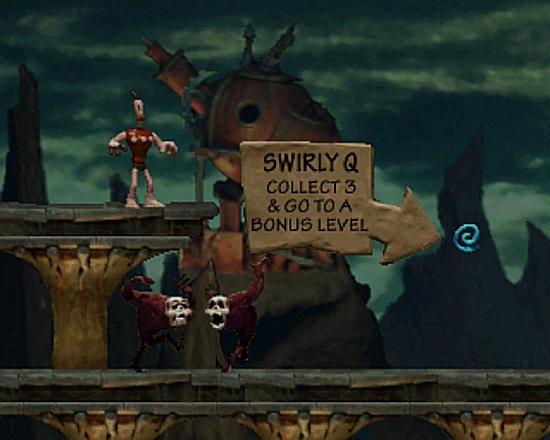
Then there are games such as Land of Illusion Starring Mickey Mouse, Alex Kidd DX and Skullmonkeys. They appeal to another part of the same taste. The controls are clear, the levels are strongly designed and the games have unmistakable personalities. Their limitations don’t prevent character; often the limitations are what concentrate it.
I can imagine playing Skullmonkeys life by life or level by level cooperatively with somebody until we finally clock the whole thing. Not because there is an infinite amount of content, but because there is a finite thing worth mastering.
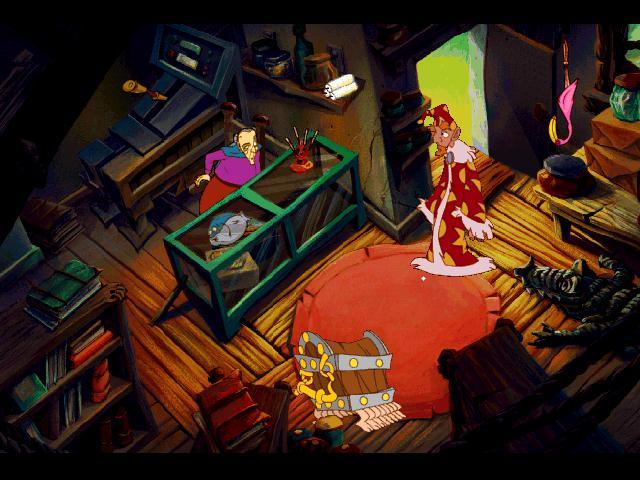
Discworld II demonstrates how much writing can change my relationship with a game. I wouldn’t try to complete it in one sitting. It’s far too difficult for that. But its characters, comedy and world make the struggle worthwhile. I’ll tolerate an absurd puzzle if discovering what happens next is genuinely rewarding.
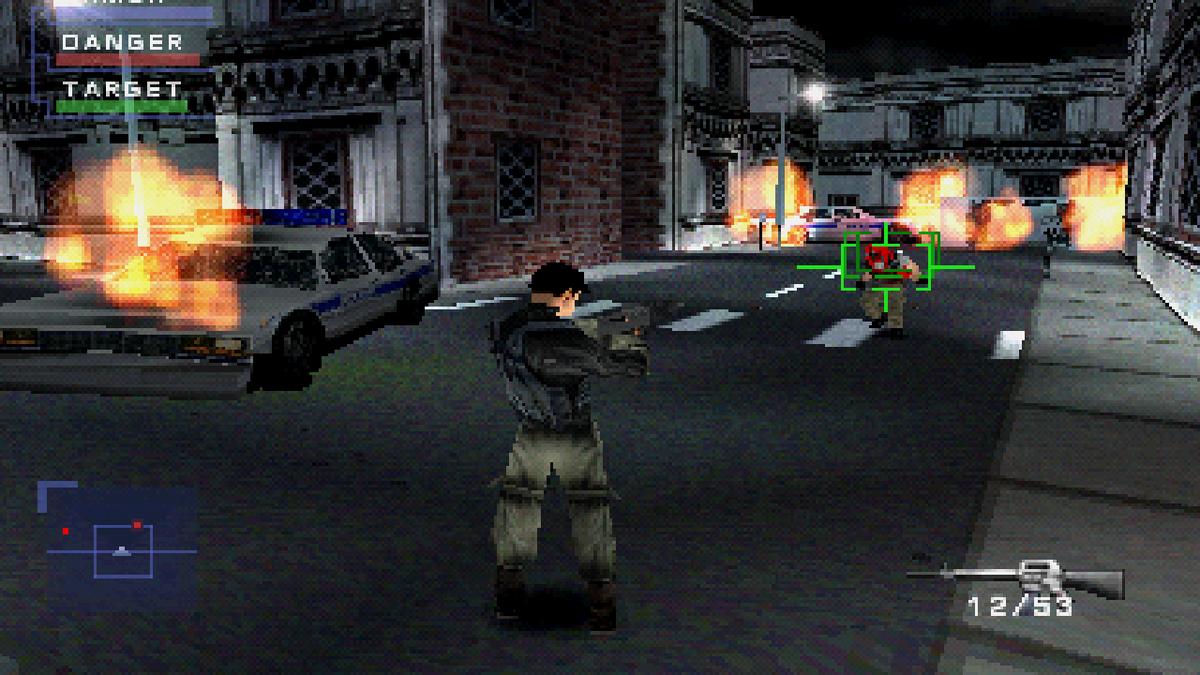
That is also why I make an exception for Syphon Filter. Third-person shooters aren’t automatically the sort of game I want to play endlessly, but Syphon Filter gives me another reason to continue: I think its storytelling is excellent. The conspiracy, mission structure, characters and escalation turn mechanics I might otherwise only mildly enjoy into part of a larger experience I want to follow. Multiplayer changes the equation again.
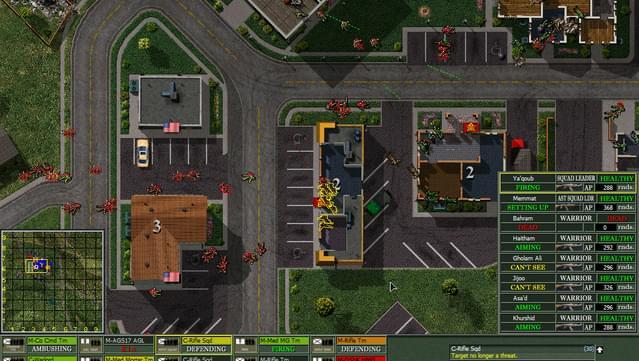
I could spend hundreds of hours playing Close Combat with friends because another human being makes its systems unpredictable. The rules can remain relatively stable while the person on the other side continually creates new situations. Suddenly a system I understand becomes a problem I can never completely solve.
The same applies to Destruction Derby. Multiplayer with friends transforms a relatively straightforward collection of cars, arenas and collisions into something effectively inexhaustible. In games like that, the players become part of the content. Friendship, rivalry, stupid decisions, spectacular failures and things nobody intended keep generating stories without requiring an endless stream of developer-created rewards. That is probably the thread connecting most of my favourite games.
It isn’t age. It isn’t genre. It certainly isn’t graphical technology. It’s a preference for a relatively simple vocabulary capable of producing difficult, funny, surprising or meaningful situations. I don’t need twenty-five interconnected progression systems. I’d rather understand what my character can do and then discover how far the designers, the environment or the other players can push those abilities. That influences how I think about making games at WORLD.EXE as well.
I’m happy to bounce off a useful piece of movement language from something like Syphon Filter without wanting to make a conventional third-person action game. I can look at the abstraction of Dig Dug, the tactical economy of Gain Ground, the physical clarity of Marble Madness, the environmental storytelling of Another World, the hostility of Rain World, the writing of Discworld II or the multiplayer chaos of Destruction Derby without wanting to reproduce any of them wholesale. That’s what I mean by selective archaeology.
I’m interested in digging through games for a mechanic, an animation idea, an interface decision, a storytelling technique, a strange limitation or an unusual technological solution, then asking what else it could become. Game history is full of abandoned branches, hardware compromises, elegant shortcuts and ideas that were never necessarily exhausted. Newer isn’t automatically more interesting, and historically important isn’t automatically something I personally want to play for 300 hours. I don’t want to recreate the past. I want to rummage through it for useful parts.
The games I return to tend to have strong authored identities, simple mechanical vocabularies, meaningful difficulty, environmental or narrative discovery, and very little standing between the player and the game. That’s the territory WORLD.EXE is interested in exploring.”
4 days into our 8-day indie video game jam – Dungeon Crawler Jam 2024. By day four we had to drop out because we kept losing coders.